

Built with Bitcoin. Ready for AI. Designed for Whatever Comes Next.
When you imagine the future of AI, what do you picture?
Faster chips. Smarter models. Breakthroughs that seem to arrive before anyone was ready for them.
What you probably don’t picture is a power cord. But that’s the constraint defining the next era of computing.
Not innovation. Electricity.
Soluna has been solving that problem for years. Not in anticipation of AI, and not by chasing the market. We started with one of the most demanding computing workloads of our time: Bitcoin mining. It requires a lot of energy. It competes on razor-thin efficiency margins. It punishes bad infrastructure and rewards operational discipline. There is no room to over-promise and no place to hide.
To succeed at that scale, we had to solve the hardest problems first: how to access power outside the grid queue, how to manage a dynamic energy mix without disrupting the grid, and how to build fast enough to matter.
We did. At operating sites, with real customers, across real market cycles.
So when AI emerged as the next great infrastructure challenge, we were ready.
This article outlines why.
We Secured the Power First
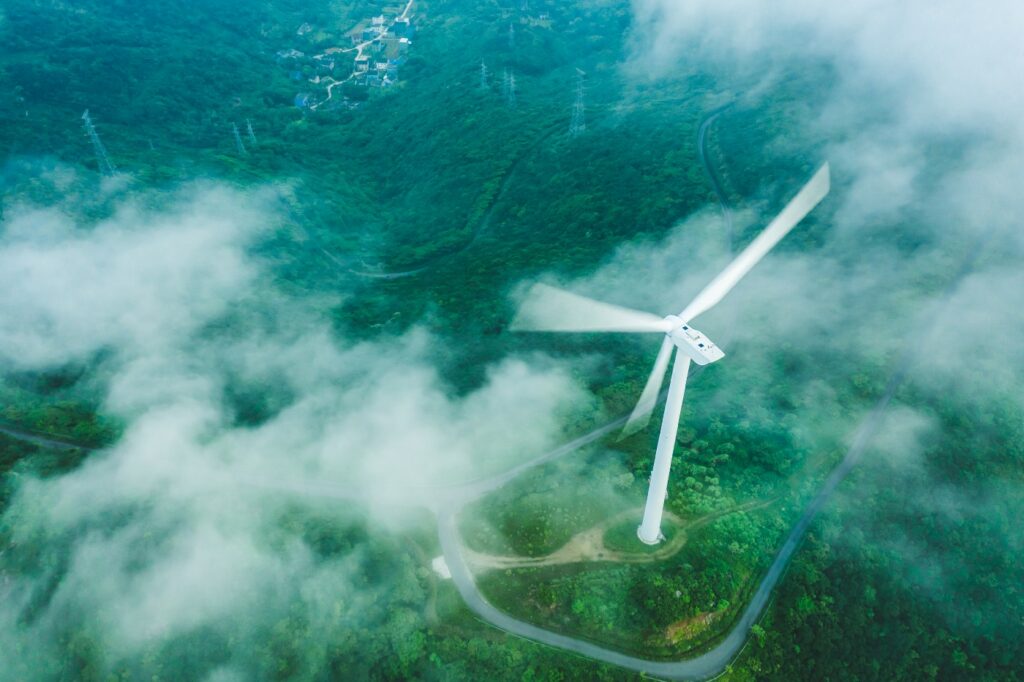
The phrase “behind-the-meter” describes where we connect: directly to the renewable generation source, before power reaches the grid. That’s a structural decision, and it shapes everything about how we build, price, and deliver infrastructure.
Long before AI made energy scarcity a headline, we believed that power would become the defining constraint on computing infrastructure. We built our entire model around that conviction.
That meant forging long-term relationships with independent power producers: the wind farms, solar projects, and renewable energy developers generating power that the grid couldn’t always absorb. We didn’t just contract access to their energy. We built partnerships, structured around long-term agreements, that gave us priority access to power at the source. Those relationships are the foundation of our 4.3 GW+ pipeline, contracted capacity spanning projects at multiple stages of development, each one converting into revenue-generating infrastructure as it advances.
Renewable-first means that renewable generation is always our primary power source. It is where we connect, what we optimize around, and how we deliver wholesale energy costs that grid-connected competitors cannot match. But renewable-first is not renewable-only.
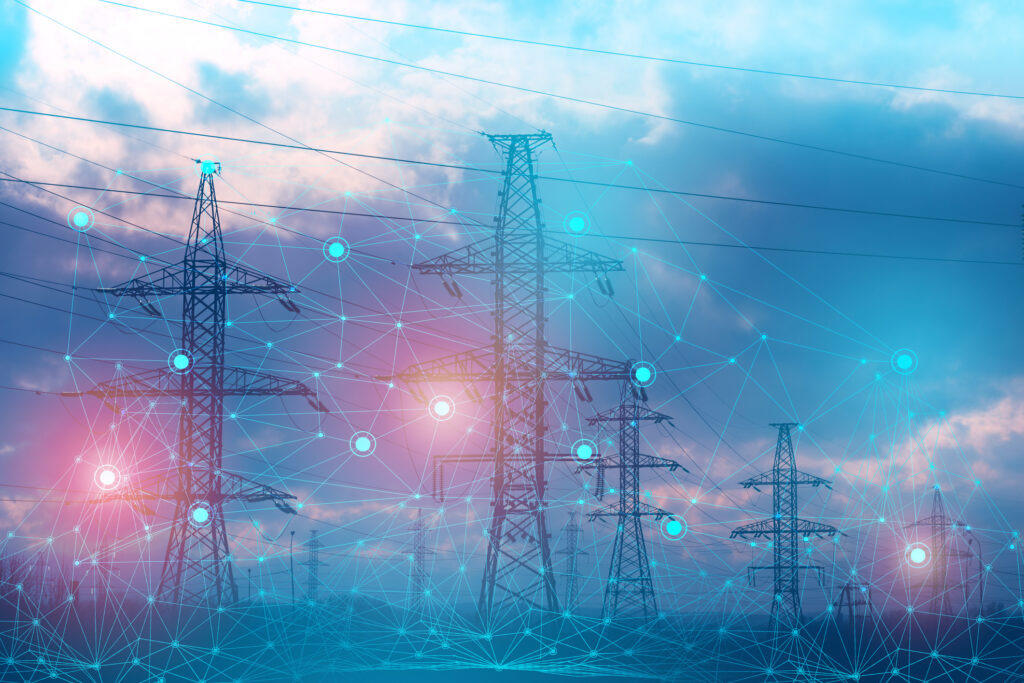
Our sites draw from multiple power sources, including direct generation from the renewable plant, curtailed energy that would otherwise go unused, and grid supplementation through existing interconnections. MaestroOS, our proprietary energy management software, manages this mix in real time, dynamically balancing all sources to optimize cost and availability.
The renewable generation leads. The grid makes up for what’s needed. Nothing goes to waste.
Relying on a single power source, however abundant, means your uptime is only as consistent as that one source. Weather changes. Generation patterns shift. A single-source model introduces gaps that compute workloads cannot absorb. Our multi-source model is designed so that when one input fluctuates, the others compensate. Workloads run without interruption regardless of weather, generation patterns, or grid conditions.
The economics follow the same logic. Leading with renewable generation means accessing power at wholesale costs that lower the blended energy rate for every megawatt consumed at our sites. That benefits our customers directly and strengthens the unit economics of every project in our pipeline. Our power partners benefit too: instead of curtailing excess generation and losing revenue, they have a committed buyer who absorbs what the grid cannot take.
Renewable-first is how we source, manage, and price energy. It’s why our model works for AI at scale.
The Hardware May Change. The Model Doesn’t.
GPU clusters and Bitcoin mining rigs are different machines. The infrastructure principles that make them profitable are the same.
Both require dense, reliable, low-cost power. Both demand continuous uptime. Both scale with access to energy. And both benefit from a shorter path between decision and deployment.
The bottleneck holding back AI infrastructure right now is not chips, software, or capital. It is power. Specifically, the ability to access it at scale without waiting years for grid capacity. Grid interconnection queues in key markets now stretch five years or more. Entire deployment timelines are being rewritten around that single constraint.
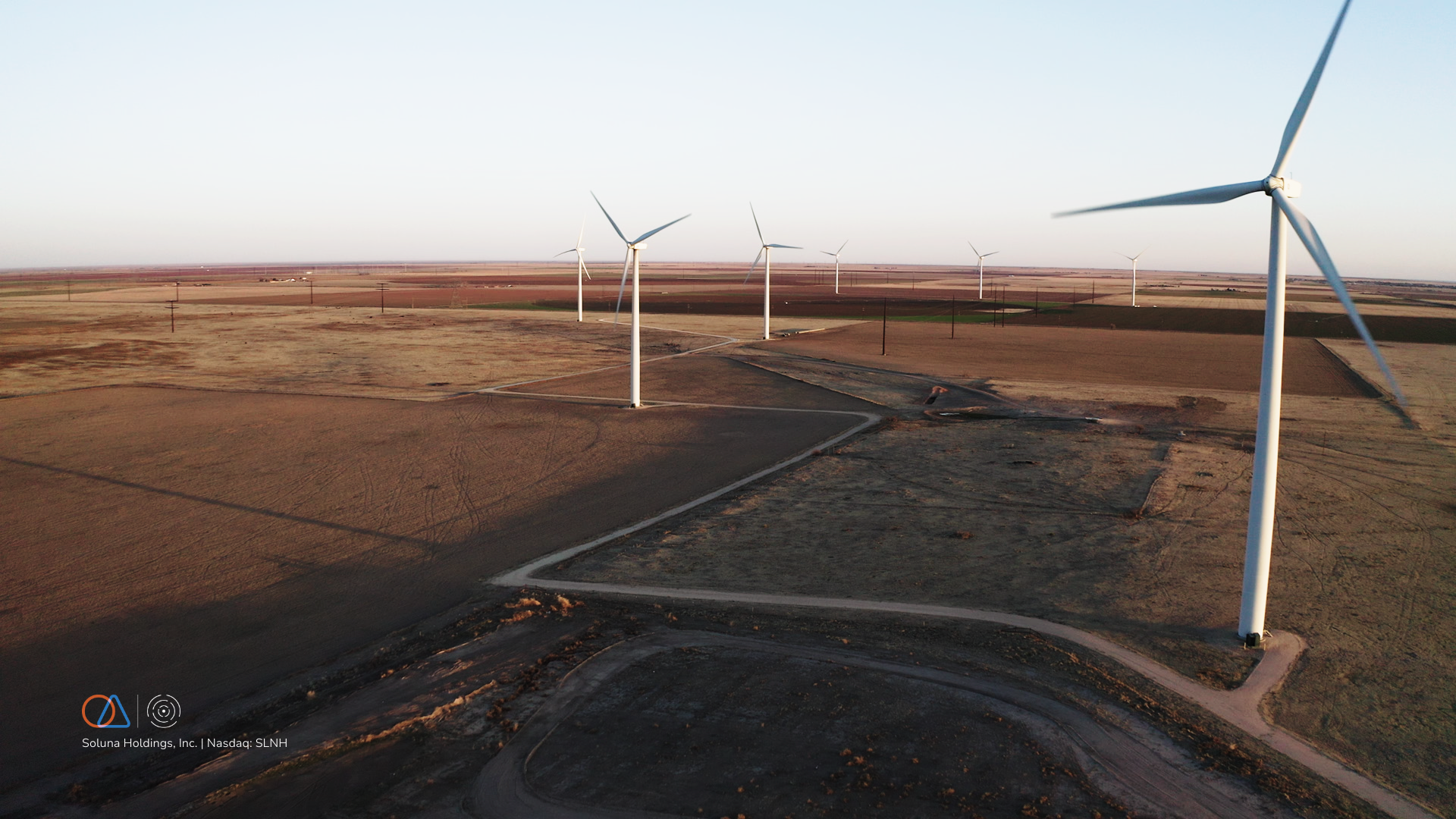
Soluna builds at existing renewable generation sites with established grid connections. That means we can deliver operational capacity in roughly one year. Our customers move from contract to compute in approximately 18 months, without waiting on infrastructure that hasn’t been built yet.
That speed comes directly from the work we did in Bitcoin. We secured the pipeline and proved the infrastructure model years before AI infrastructure became a race. The runway we created then is the advantage we’re deploying now.
Renewable Computing: A New Category
Renewable Computing is Soluna’s model for co-locating high-performance data centers directly with renewable energy generation, connected behind-the-meter, managed by MaestroOS, and designed to run any compute application that requires scale, reliability, and cost-competitive power.
It was built to be workload-agnostic. Our Bitcoin data centers were engineered to support any ASIC architecture. Our AI data centers are being built to support any GPU configuration. What stays constant across both is the power model: behind-the-meter access to wholesale renewable energy, supplemented by grid power, managed in real time by MaestroOS. The workload sitting on top of that foundation can be anything. The power advantage underneath it doesn’t change.
We proved that resilience the hard way, through real market compression, at real sites, with real customers depending on us. That is the foundation AI customers are building on when they come to Soluna. Not a promise about what we plan to do. A record of what we have already done.
The Proof Is in the Operations
Bold infrastructure claims are easy to make. They are hard to back up.
Soluna’s credibility is operational. Our Bitcoin hosting business demonstrated that behind-the-meter, renewable-first infrastructure works at scale, through market compression, across multiple sites and long-term customer relationships. Every lesson learned there, every system refined, every process stress-tested, carries forward directly into how we build and operate for AI.
The workload evolves. The power advantage compounds.
This is Renewable Computing.