For most of the last two decades, the data center industry built itself around the grid.
New facilities are located near existing substations. Power purchase agreements are negotiated years in advance. Interconnection is treated as the foundation on which everything else rests. The model was logical. The grid was reliable, scalable, and predictable. Building around it made sense.
Then AI arrived and rewrote the timeline.
The infrastructure decisions that once played out over five to ten years now need answers in twelve to eighteen months. A hyperscaler that identified a site today and began the interconnection process tomorrow would, in many U.S. markets, be waiting until 2030 for grid access, if it arrives on schedule at all. North American data center vacancy sits at 1%.
92% of the development pipeline is precommitted before it comes online. The constraint is not only demand, capital, or compute. It is also the gap between how fast AI infrastructure needs to scale and how fast the grid was built to move.
This is what people mean when they talk about speed-to-power. Not speed as a convenience. Speed is the difference between capturing a market and watching it close.
The conventional response to this problem has been to optimize around it: secure PPAs earlier, build relationships with utilities, and move faster through the queue. These are reasonable tactics.
They have also produced an industry where the remaining capacity is spoken for before it reaches the market, where lease rates have risen 9% year over year, and where grid-dependent competitors that cannot access power faster than the interconnection process allows are, functionally, waiting. What most of the industry has not done is question the premise.
If the grid is the constraint, what does infrastructure look like when it isn’t built to be grid-dependent?
Soluna has been sitting with that question for years.
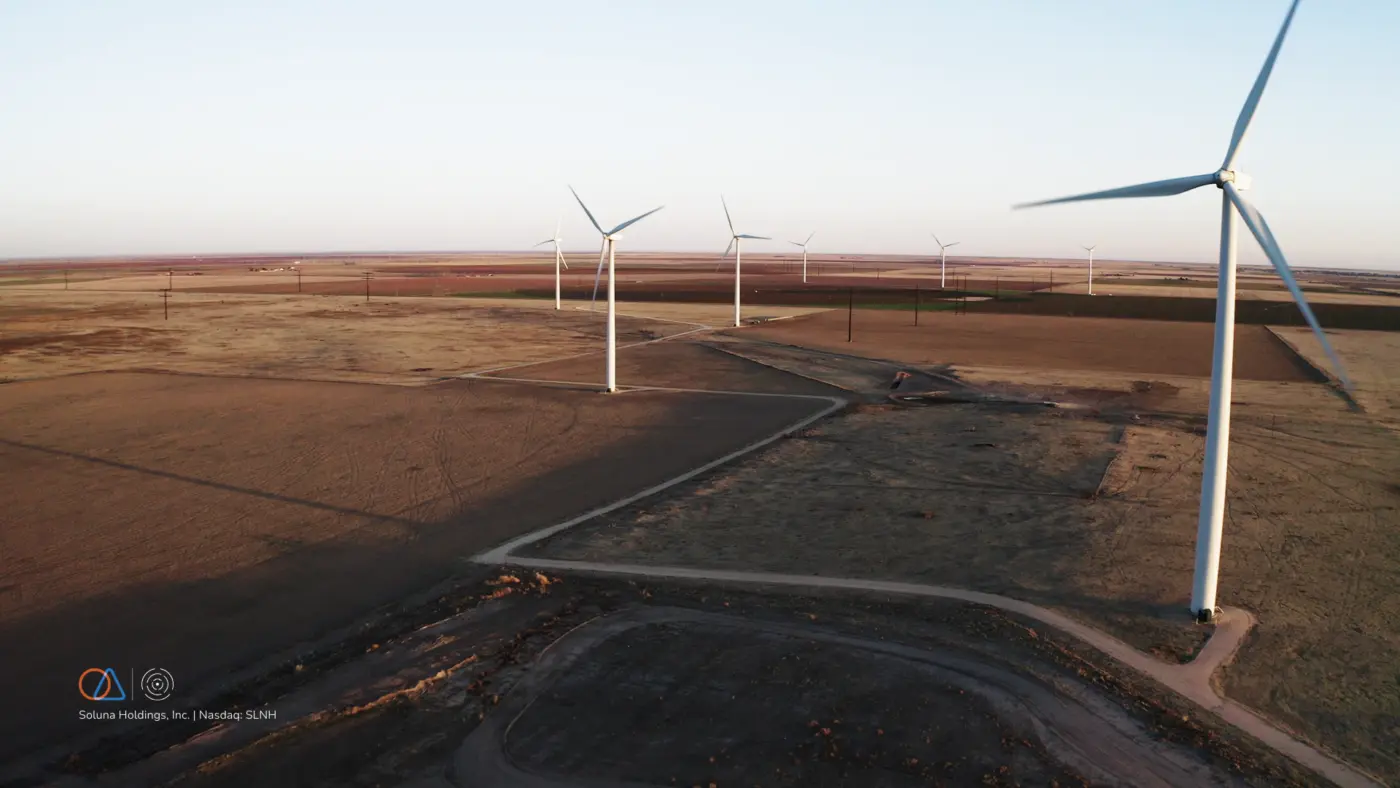
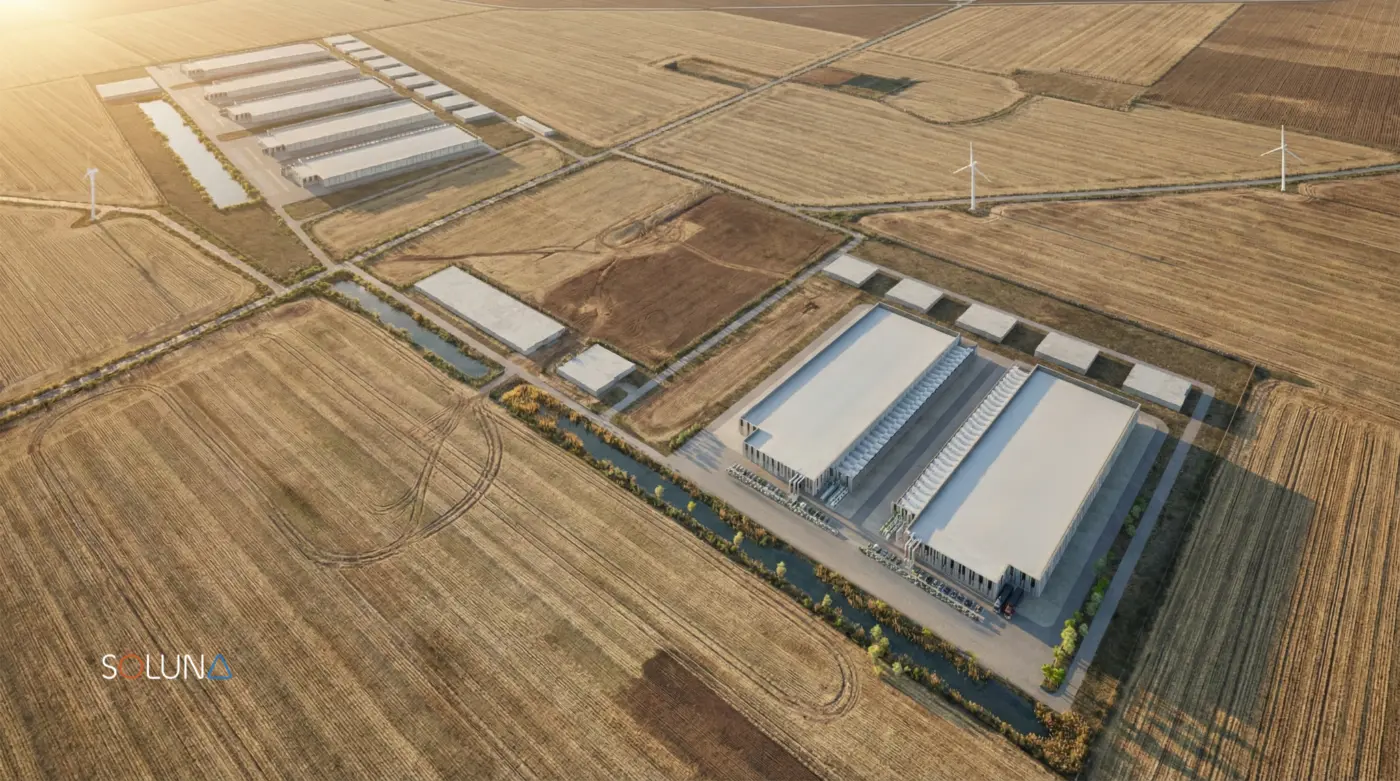
Our answer is behind-the-meter co-location: data centers built directly at renewable generation sites, connected to the power source before it touches the grid. When you build at the source rather than at the end of transmission, the interconnection queue does not apply to you. The PPA negotiation stops being a variable in your deployment timeline. The distance between available generation and energized compute collapses.
This is not a shift in positioning for us. Soluna has been building behind-the-meter since Bitcoin mining was the primary workload. What Bitcoin required .

Cybele Ramirez
Lorem ipsum dolor sit amet, consectetur adipiscing elit, sed do eiusmod tempor incididunt ut labore et dolore magna aliqua. Ut enim ad minim veniam, quis nostrud exercitation ullamco laboris nisi ut aliquip ex ea commodo consequat. Duis aute irure dolor in reprehenderit in voluptate velit esse cillum dolore eu fugiat nulla pariatur. Excepteur sint occaecat cupidatat non proident, sunt in culpa qui officia deserunt .